Lead survivors through subway tunnels in tactical zombie survival
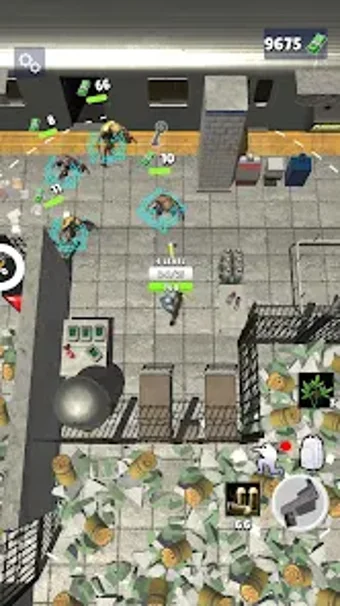
Underground Survivor: Subway, developed by Brightika Inc., puts players in charge of a survivor community inside a ruined metropolitan subway. The game mixes real-time zombie encounters with deliberate shelter management, alternating short surface sorties and longer planning phases. Key systems include survivor recruitment, crafting, defensive upgrades, and resource balancing. Mobile action-survival players who enjoy decision-driven sessions and emergent encounters on Android will find a focused survival challenge.
What kind of game is it?
The game is a hybrid action-survival title that pairs tense encounters with long-term shelter upkeep. Players act as a leader, managing the camp's priorities while facing immediate threats in tight spaces. Gameplay alternates between short, high-stakes runs to obtain what the community needs and longer planning phases to allocate labor and resources across the network, producing a steady push-and-pull between urgency and preparation.
Does it blend action combat and base management effectively?
Systems stack into distinct gameplay pillars: rescuing survivors who bring unique skills, running surface missions to gather materials, and using a crafting tree to produce and upgrade weapons and gear. Base defence focuses on wall reinforcements and trap placement, giving players discrete interventions between sorties. Choices in one pillar change the options available in another, so tactical fights and camp planning influence each other directly.
What does the game look and sound like?
The presentation leans on the subterranean setting, using cramped tunnel layouts and dim environments to create tension. Level design makes each corridor feel consequential, turning routine runs into close-quarters threats. The subway setting is the central atmospheric hook, and it shapes encounter layout and pacing. Graphics and audio prioritize mood over spectacle, keeping player attention on survival decisions inside narrow, man-made spaces.
Is it hard to get started?
Onboarding balances immediate threats against tracked survival metrics, since the simulation requires attention to energy, water, and morale. Early sessions ask players to prioritise scarce materials between upgrades and group needs. Progression comes through crafting and structural upgrades to the subway network, which gradually unlock stronger defences and equipment. Players who accept deliberate growth find clear advancement; those wanting instant power may face slower returns.
A good match for patient mobile survival players who value offline access
In summary, Underground Survivor suits players who prefer methodical mobile survival and offline play, because core mechanics are accessible without a constant internet connection and the Android build supports devices running Android 7.0 and up. It requires sustained attention and longer sessions, so those seeking quick, low-effort action may prefer lighter titles; players who enjoy deliberate decision-making gain meaningful depth.